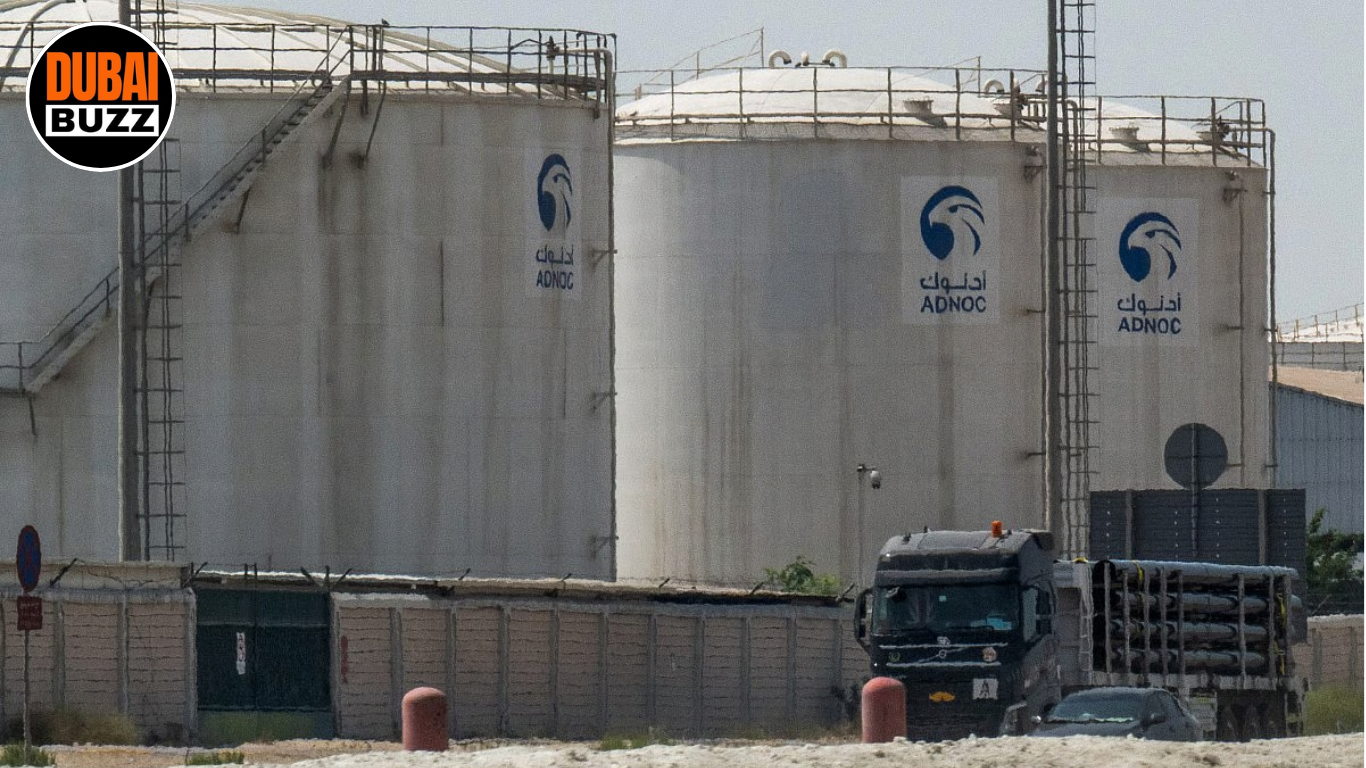
DUBAI, UAE – As the world watches rising tensions surrounding the Strait of Hormuz—a maritime corridor responsible for 20% of global oil and LNG trade—the spotlight has shifted to energy security. While global markets often react with volatility to such pressures, the UAE’s energy infrastructure, led by ADNOC, has sent a clear message to the world: Operations are normal, processing is intact, and the flow continues.
This isn’t just a win for the local economy; it is a critical stabilizer for the global financial system. When the UAE’s energy system holds, global price volatility is contained, and industrial supply chains across the world remain balanced.
System-Level Continuity Under Pressure
Despite the elevated regional climate, ADNOC Gas has confirmed that its core processing systems remain fully operational with no structural damage to any facilities. While there have been minor, tactical adjustments to shipping routes and specific LNG volumes due to external maritime conditions, the internal engine of the UAE’s energy sector remains at full throttle.
- Internal Strength: Core production and processing are 100% stable.
- External Adaptation: Strategic routing and logistics optimization are ensuring that export-traded liquids reach their destinations.
The Scale of the Shield
To understand why the UAE’s reliability matters, one must look at the sheer scale of the energy passing through this region. The Strait of Hormuz isn’t just a local waterway; it is a global artery:
- 20% of global petroleum consumption passes through here.
- 25% of all seaborne oil trade transits this corridor.
- 20% of global LNG (Liquefied Natural Gas) flows are managed through these routes.
As a “stability anchor,” the UAE’s production capacity of 4.85 million barrels per day acts as a buffer against global energy shocks.
Why the UAE System Doesn’t Fail
This level of resilience isn’t reactive; it is engineered. The UAE has spent decades building an integrated upstream-to-downstream ecosystem designed for “Black Swan” events.
- Integrated Infrastructure: A seamless link between extraction, processing, and export.
- Strategic Storage: Massive capacity to hold and manage supply during transport windows.
- Real-Time Coordination: Constant synchronization between operators like ADNOC Group and government security entities.
The Economic Bottom Line: Reliability is Currency
In the world of energy, the most valuable barrel isn’t necessarily the cheapest—it’s the one that arrives on time, every time.
- Reduced Risk Premiums: By maintaining steady flow, the UAE helps lower the “fear tax” in global oil pricing.
- Buyer Confidence: Long-term, multi-billion dollar contracts rely on the trust that the UAE can deliver even when the region is under pressure.
Conclusion
While others face disruption, the UAE delivers continuity. It serves as a reminder that true strength in the energy sector is not just about the capacity to produce, but the sophisticated ability to ensure that the flow never stops. For the residents of the UAE and the markets of the world, the message is clear: the system is working, the radars are locked, and the energy is moving.
#DubaiBuzz #ADNOC #EnergySecurity #GlobalEconomy #UAEBusiness #OilAndGas #Sustainability #MyDubai #EconomicStability #HormuzUpdate