Al Fahidi Historical Neighbourhood: Walking Through the Roots of Old Dubai

DUBAI: Discover the heritage of Old Dubai at Al Fahidi Historical Neighbourhood. Explore wind-tower architecture, hidden art galleries, and traditional tea houses in this 2026 guide to Dubai’s oldest cultural district.
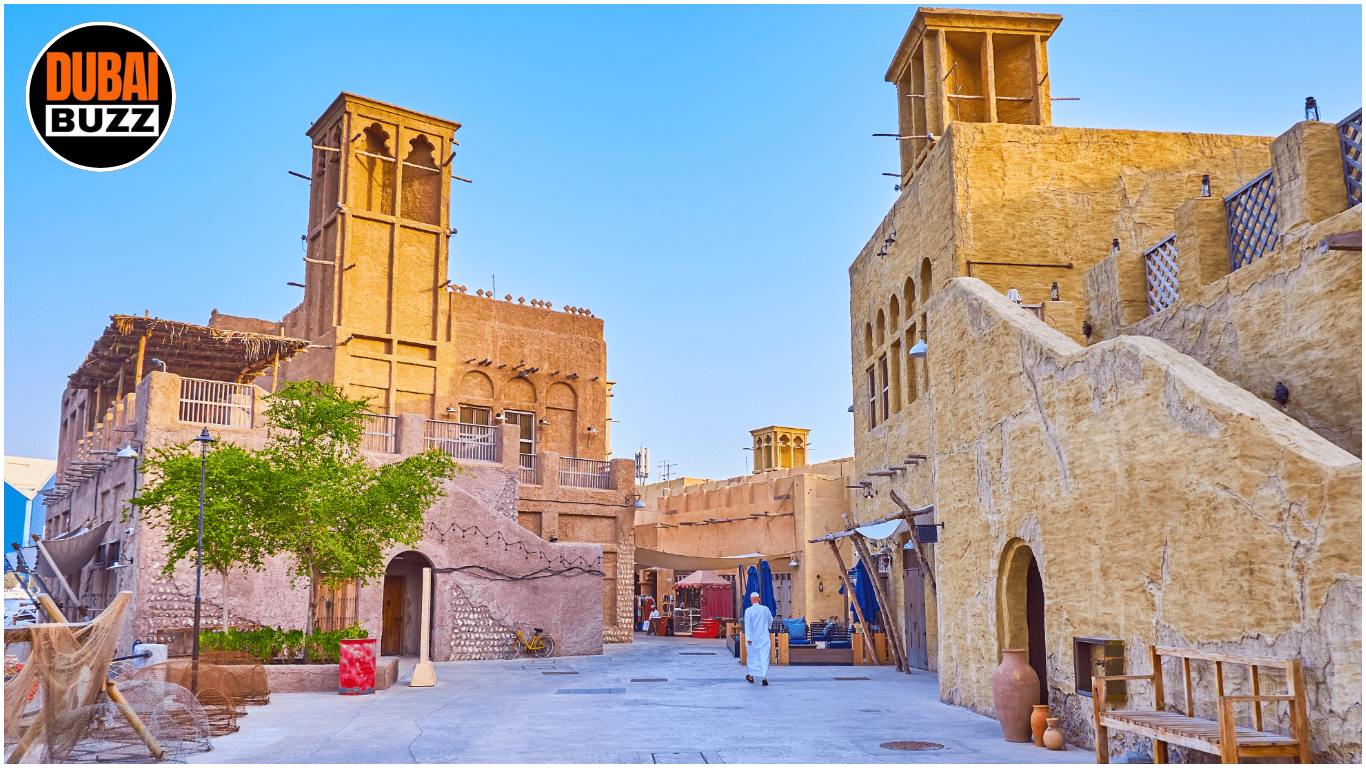
In a city of soaring glass and steel, the Al Fahidi Historical Neighbourhood (formerly known as Bastakiya) serves as a soulful reminder of Dubai’s humble beginnings.1 Walking through these narrow, winding alleys is like stepping back into the mid-19th century, long before the era of skyscrapers and supercars.2
For 2026, the district remains a protected cultural treasure, offering a quiet, sensory journey through the traditions of the Emirates.3
1. The Architecture: The Original Smart Homes
As you wander the “sikkas” (alleys), the first thing you’ll notice are the towering rectangular structures atop the buildings. These are Barjeel (wind towers).4
- The Function: Long before air conditioning, these towers captured the breeze and funneled it down into the rooms below, cooling the houses naturally.5
- The Material: The buildings are constructed from coral, stone, mud, and sandalwood, giving the neighborhood its iconic earthy, golden hue.6
2. Cultural Gems to Visit
The neighborhood is a hub for the arts and local history.7 Most of these spots are free or have a very small entrance fee:
- Sheikh Mohammed bin Rashid Centre for Cultural Understanding (SMCCU): The best place to ask questions about Emirati culture. They offer traditional breakfasts, lunches, and “cultural tours” that are highly recommended.8
- XVA Gallery: A stunning contemporary art gallery hidden within a traditional courtyard.9 It also houses one of the city’s best vegetarian cafes.10
- The Coffee Museum: A must for caffeine lovers.11 It traces the history of coffee in the region and offers tastings of traditional Arabic gahwa.12
- Coin Museum: Home to over 470 rare coins, showcasing the economic history of the region and the broader Middle East.13
3. The Sensory Experience: Tea and Textiles
The neighborhood isn’t just for looking; it’s for experiencing.
- Arabian Tea House: Perhaps the most famous restaurant in the district. Sitting in its turquoise-and-white courtyard under the shade of old trees, sipping a “Special Dubai Tea,” is a quintessential local experience.
- Textile Souk: Just a 5-minute walk away, you can find vibrant fabrics, pashminas, and traditional attire.
4. Essential Visitor Info for 2026
| Detail | Information |
| Entrance Fee | Free to enter the neighborhood. Individual museums may have small fees (AED 10–20). |
| Best Time to Visit | 8 AM – 11 AM or after 5 PM. The lighting is beautiful for photos, and the temperature is cooler. |
| Dress Code | Modest. As a heritage site, it is respectful to keep shoulders and knees covered. |
| Getting There | Take the Green Line Metro to Al Fahidi Station or BurJuman. Alternatively, take an “Abra” (water taxi) across the Creek for just AED 1. |
5. Top Tips for Your Walk
- Get Lost: The neighborhood is small enough that you can’t truly get lost, but the best galleries and craft shops are tucked away in the quietest corners.
- Abra Crossing: After your walk, head to the Bur Dubai Abra Station. Crossing the Dubai Creek on a traditional wooden boat at sunset is the cheapest and most scenic ride in the city.14
- The Wall: Look for the remaining section of the Old Dubai Wall, built in 1800 to protect the city.15
Conclusion
Al Fahidi Historical Neighbourhood is the heart and soul of Dubai. It proves that while the city is obsessed with the future, it deeply honors its past. It is a place of peace, art, and authentic Arabian hospitality that offers a necessary balance to the glitz of the modern city.16
#AlFahidi #OldDubai #DubaiHeritage #VisitDubai #DubaiCulture #ArabianTeaHouse #DubaiCreek #WindTowers #DubaiArt #HistoricalDubai
Next Step for You
Would you like me to book a “Cultural Meal” experience for you at the SMCCU, or would you like a guide to the Gold and Spice Souks located just across the water?