
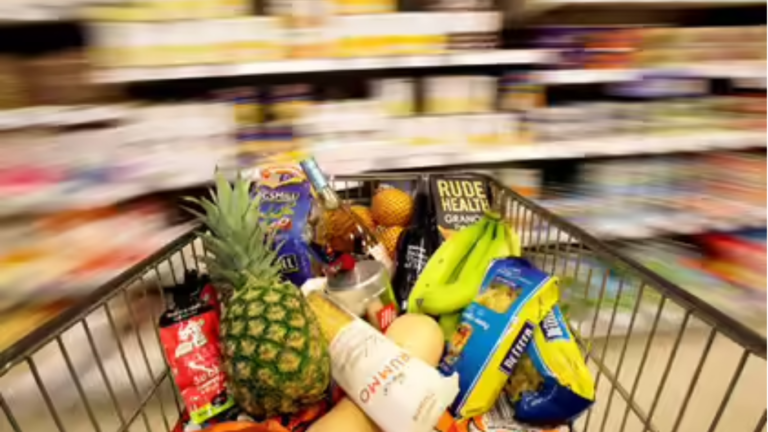
DUBAI: In the wake of recent regional developments and temporary airspace closures, a wave of concern naturally ripples through any global hub. However, in Dubai, the “business as usual” atmosphere remains remarkably intact. From fully stocked supermarket shelves to uninterrupted power and water services, the city’s stability is no accident.
Dubai’s resilience is the result of a multi-layered, long-term strategy involving massive strategic reserves and high-tech supply chain management. Here is why the city remains unshakable despite external pressures.
1. The “Food Security” Fortress
The UAE’s National Food Security Strategy 2051 was built for exactly these moments. Dubai maintains a massive stockpile of essential commodities designed to last the population for several months without any new imports.
- Strategic Grains & Staples: Huge silos in Jebel Ali and other industrial zones house thousands of tons of wheat, rice, sugar, and edible oils.
- Diversified Sourcing: Dubai doesn’t rely on a single “breadbasket.” If one trade route is blocked, long-term agreements with partners across South America, Africa, and Central Asia are immediately activated via alternative sea routes.
- Local Production: In 2026, Dubai’s vertical farming industry has reached a peak. Local facilities now produce a significant percentage of the city’s fresh leafy greens and berries, reducing the reliance on air-freighted perishables.
2. Utility Resilience: Powering the Future
Dubai’s water and electricity supplies are among the most secure in the world, managed by DEWA (Dubai Electricity and Water Authority).
- The Hassyan Power Complex: By 2026, this facility has transitioned into a major hub for diversified energy, including natural gas and solar, ensuring the grid isn’t dependent on a single fuel source.
- Water Security (The Reservoirs): Dubai has invested billions in underground water storage. Massive strategic aquifers can provide the city with enough desalinated water for several weeks in an emergency.
- Solar Integration: The Mohammed bin Rashid Al Maktoum Solar Park provides a significant “green cushion,” allowing the city to generate its own power regardless of fuel import status.
At a Glance: Why Dubai Stays Stable
| Sector | Strategy | Outcome |
| Food | 6+ Months of Essential Stock | No panic buying; stable prices. |
| Water | Underground Aquifer Storage | Guaranteed supply for households. |
| Energy | Solar & Diversified LNG | Zero blackouts or grid interruptions. |
| Logistics | Jebel Ali Port (Sea Access) | Heavy goods bypass airspace issues. |
3. Jebel Ali Port: The Lifeblood of the City
While flight suspensions dominate the headlines, it is important to remember that over 90% of the UAE’s goods arrive by sea.
- DP World’s Jebel Ali Port, one of the most technologically advanced in the world, continues to operate 24/7.
- Automated terminals and AI-driven logistics ensure that cargo ships are processed with record speed, keeping the “maritime bridge” to the world open even when the “air bridge” faces temporary hurdles.
4. Government Price Controls
The Ministry of Economy actively monitors retail prices during periods of regional tension. In 2026, advanced tracking systems prevent any form of price gouging or artificial shortages. Retailers are legally required to maintain a certain level of inventory, ensuring that consumers never see an empty shelf.
Conclusion
Dubai’s strength lies in its preparation. The city has transitioned from being a consumer of global goods to a master of strategic storage. Whether it is through the world’s largest vertical farms or high-capacity grain silos, Dubai has ensured that its residents can sleep soundly, knowing that the “essentials of life” are protected by a world-class infrastructure.
#DubaiStability #FoodSecurityUAE #Dubai2026 #StrategicReserves #DEWA #Jebel AliPort #DubaiResilience #UAEEconomy #SupplyChainSafety