
DUBAI, UAE – As geopolitical friction applies pressure to the Strait of Hormuz—a maritime artery responsible for 20% of global oil and liquefied natural gas (LNG) flows—global supply chains are bracing for volatility. For a nation with just 0.7% arable land and a heavy reliance on food imports, a traditional economic model would predict shortages and panic.
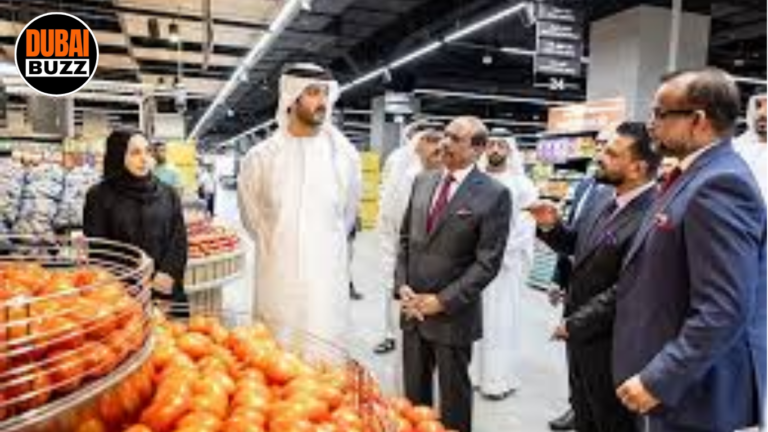
Yet, across the United Arab Emirates, the reality on the ground tells a completely different story. Supermarket shelves are fully stocked, prices are flat, and consumer behavior remains normal. In the UAE, continuity is not just maintained; it is engineered so precisely that disruption never becomes visible to the public.
The Eid Peak: A Masterclass in Logistics
During the recent Eid Al Fitr peak consumption period, while regional transit routes faced challenges, the UAE’s logistics engine operated without a single stutter.
- Air & Sea Cargo: Over 5,000 tonnes of fresh food were secured via 26 chartered flights and cargo vessels.
- Seamless Flow: Markets reported full availability with zero congestion or panic buying.
Following nationwide ground inspections, H.E. Abdulla bin Touq Al Marri, Minister of Economy and Tourism, sent a clear message: “In the UAE, food security is a red line.” —
Real-Time Digital Control
How does the UAE neutralize disruption before it hits the retail shelf? Through a synchronized, tech-driven oversight system led by the Ministry of Economy.
- Digital Nerve Center: 627 major retail outlets are digitally connected to a central monitoring platform, covering 90% of the essential goods trade. This allows authorities to track prices, inventory, and demand in real-time.
- The “Zero Unapproved Hikes” Rule: Price increases on 9 essential food categories are strictly prohibited without prior Ministry approval.
The 9 Regulated Essentials: Cooking oil, eggs, dairy, rice, sugar, poultry, legumes, bread, and wheat.
The Structural Backbone: Sea, Air, and Policy
The UAE’s ability to absorb shockwaves is built on hard infrastructure and long-term policy.
- Unrivaled Port Infrastructure: Jebel Ali Port (managed by DP World) acts as a global gateway, processing over 15 million TEUs annually and tapping into a network spanning 80+ countries.
- Global Sourcing Redundancy: If one route narrows, supply chains instantly pivot across a pre-established global web of partner markets.
- The 2051 Vision: Driven by the UAE National Food Security Strategy 2051, the country holds a 4-to-6-month strategic stockpile of essential commodities, ensuring market tranquility even during prolonged regional emergencies.
Conclusion: Beyond Food
Ultimately, food security in the UAE is about much more than groceries—it is the cornerstone of economic continuity, social stability, and supply chain sovereignty. While global headlines fret over trade bottlenecks, the UAE stands as an architectural marvel of crisis management. By blending real-time tech monitoring, world-class logistics, and uncompromising policy enforcement, the nation proves that true security is stopping a crisis before the consumer ever sees it.
#DubaiBuzz #FoodSecurity #UAEEconomy #SupplyChain #MyDubai #SmartLogistics #DPWorld #AbuDhabi #Resilience #UAEBusiness