
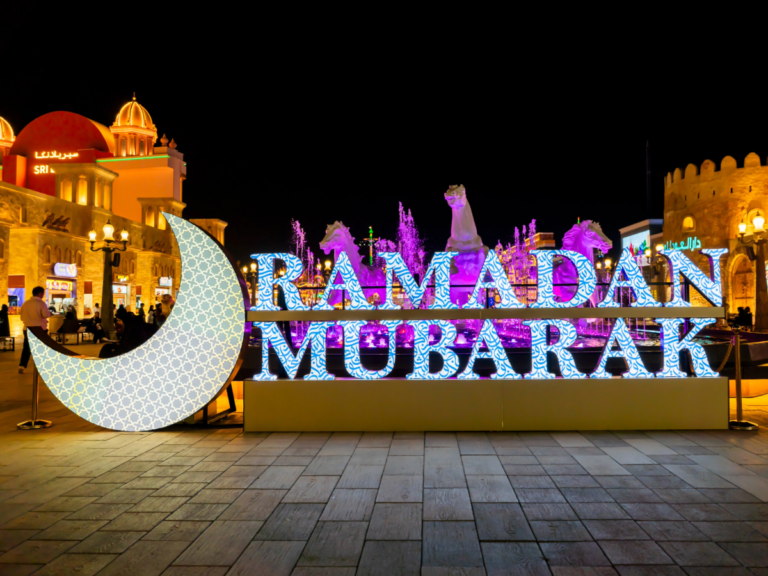
Dubai: As the crescent moon marks the beginning of the Holy Month, Dubai undergoes a beautiful metamorphosis. In 2026, with Ramadan falling during the peak of the UAE’s stunning winter, the city has become a global focal point for cultural immersion. From the traditional firing of the Midfa (cannons) to the high-tech immersive tents of the future, here is your definitive guide to experiencing Ramadan Kareem in Dubai.
1. The Heart of Tradition: The Iftar Cannon
Long before the Burj Khalifa dominated the skyline, the firing of the cannon was the city’s primary signal for Iftar (breaking the fast).
- Where to watch: In 2026, the tradition remains alive at iconic locations including Expo City Dubai, Burj Park (Downtown), and the Eid Musalla in Al Mankhool.
- The Experience: It is a moment of profound silence followed by a powerful “boom,” drawing crowds of locals and tourists alike to witness a ritual that dates back decades.
2. 2026’s Most Iconic Ramadan Tents
Dubai’s hospitality scene pushes boundaries every year, and the 2026 “tents” are more like architectural masterpieces.
- Asateer at Atlantis, The Palm: Still the gold standard of luxury, offering themed nights (Persian, Moroccan, Lebanese) and a capacity for over 2,000 guests.
- Majlis by Mandarin Oriental: Known for its minimalist, high-fashion aesthetic, this tent overlooks the Jumeirah coastline and features a bespoke menu curated by Michelin-starred chefs.
- The Expo City ‘Oasis’: A sustainability-focused Iftar set under the Al Wasl Dome, featuring projection mapping that tells stories of Islamic heritage.
3. The Rise of the Ramadan Night Markets
When the sun sets, the city’s parks and boulevards turn into vibrant hubs of activity.
- Ramadan District (Jumeirah Emirates Towers): A stylish outdoor market featuring local boutiques, henna artists, and high-end food stalls.
- Hai Ramadan (Expo City): A dedicated “village” that replicates the feel of an old Emirati neighborhood, complete with traditional games for children and storytelling sessions.
Iftar vs. Suhoor: A Quick Comparison
| Feature | Iftar | Suhoor |
| Timing | At Sunset (approx. 6:20 PM) | Pre-Dawn (usually 10 PM – 3 AM) |
| Menu Focus | Dates, Lentil Soup, Lamb Ouzi | Lighter bites, Cheese, Manakish, Eggs |
| Vibe | Festive, Communal, Bustling | Relaxed, Social, Conversational |
4. Community & Giving: The Soul of the Month
In 2026, “Giving” has gone high-tech but remains deeply personal.
- Ramadan Fridges: Scattered across residential areas like Al Barsha and Jumeirah, these fridges are stocked by neighbors for the city’s blue-collar workers. You can contribute fresh fruit, water, and laban.
- The 1 Billion Meals Initiative: You can donate instantly via the DubaiNow app or SMS.
- SMCCU Cultural Iftar: Visit the Sheikh Mohammed bin Rashid Al Maktoum Centre for Cultural Understanding in Al Fahidi for an Iftar where you can ask questions about Islamic culture in an open, friendly environment.
5. Essential Tips for Visitors in 2026
- Respect the Silence: While music is played in private venues, public spaces are generally quieter during the day.
- Modesty Matters: Wear loose-fitting clothing that covers shoulders and knees in public areas.
- The Spirit of Patience: Traffic usually peaks right before Iftar (5:30 PM – 6:30 PM). Plan your travel accordingly!
Conclusion
Ramadan in Dubai is a masterclass in how a modern metropolis can honor its ancient roots. Whether you are sharing a traditional meal with an Emirati family or watching the sunset reflect off the Museum of the Future, the month offers a sense of peace and community that is hard to find elsewhere. It is a time to slow down, look inward, and give back.
#RamadanKareem #RamadanDubai2026 #IftarInDubai #SuhoorSpots #DubaiTradition #CulturalTravel #ExpoCityDubai #VisitDubai #GivingMonth