
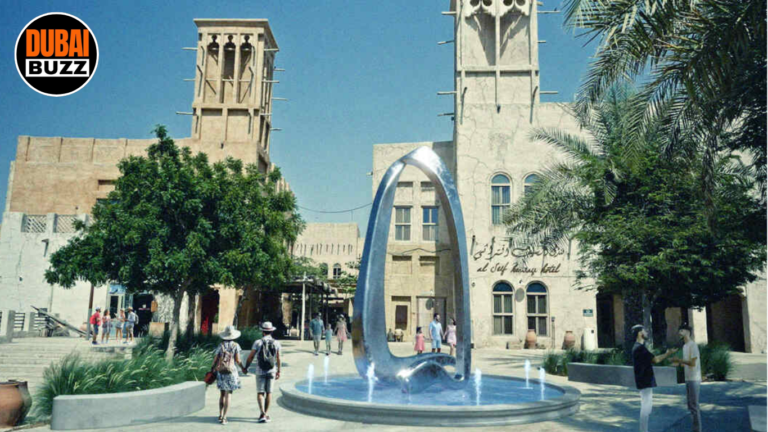
DUBAI, UAE – While global headlines focus on regional tensions, Dubai is quietly launching one of the most ambitious urban transformations in modern history. The unveiling of “Dubai Walk”—a massive 6,000 km pedestrian network—is far more than a lifestyle upgrade. It is a calculated, multi-variable economic system designed to turn the act of walking into a primary driver of national wealth.
By 2040, this network will weave through 160 areas, fundamentally changing how the city breathes, moves, and monetizes every square meter of its landscape.
The Scale: Dubai to London on Foot
To put 6,000 km into perspective, it is roughly the distance from Dubai to London. Phase 1 is already making its mark in the historic Al Ras district, introducing 12 km of dedicated walkways and 5 km of cycling tracks to the heart of old Dubai.
This isn’t just about paving sidewalks; it’s about activating entire districts. By connecting residential, retail, and tourism hubs into a seamless “walkable” loop, Dubai is creating a city-wide operating system where movement never stops and value is generated in real-time.
The Core Economic Principle: Density Equals Dollars
Modern global cities no longer compete simply on land size; they compete on value generated per square meter. Walkability is the ultimate multiplier for this metric because it increases:
- Footfall Density: More people in a concentrated space.
- Dwell Time: When people walk rather than drive, they stay in an area longer.
- Interaction Frequency: Every step is an opportunity for a transaction, a coffee, or a retail discovery.
In short: More steps → more stops → more economic output.
The Tourism and Real Estate Multiplier
Dubai welcomed a record 19.59 million overnight visitors in 2025, with tourism contributing a staggering AED 257.3 billion to the GDP. “Dubai Walk” compounds this success by transforming the city into a year-round, pedestrian-friendly “experience economy.”
From a real estate perspective, global capital is aggressively moving toward Live-Work-Walk environments. By embedding walkability into the Dubai 2040 Urban Master Plan, the city is increasing institutional demand and driving stronger pricing power for mixed-use ecosystems.
Health as Economic Policy
Beyond the balance sheets, “Dubai Walk” is a form of preventive economic policy. With physical inactivity projected to cost the global economy $300 billion by 2030, Dubai is building health directly into its infrastructure. A healthier workforce is a more productive workforce, reducing long-term healthcare burdens while increasing urban efficiency.
Conclusion: The Future is a Step Forward
“Dubai Walk” is a key pillar of the D33 Economic Agenda, which aims to double the size of Dubai’s economy to AED 32 trillion. While other cities struggle with legacy infrastructure, Dubai is deploying a future-ready system at scale and by design.
In most parts of the world, walkability is a luxury or a lifestyle choice. In Dubai, it is the new engine of the economy—proving that the future of a city isn’t defined by how fast you can drive through it, but by the value created in every single step you take.
#DubaiBuzz #DubaiWalk #UrbanPlanning #Dubai2040 #D33 #EconomicGrowth #MyDubai #SmartCities #Sustainability #WalkableDubai