
dubai: Skip the museums and head to the markets. Discover how “Grocery Store Tourism” in Dubai reveals the city’s true multicultural identity through local supermarkets, spice souks, and hidden food gems.
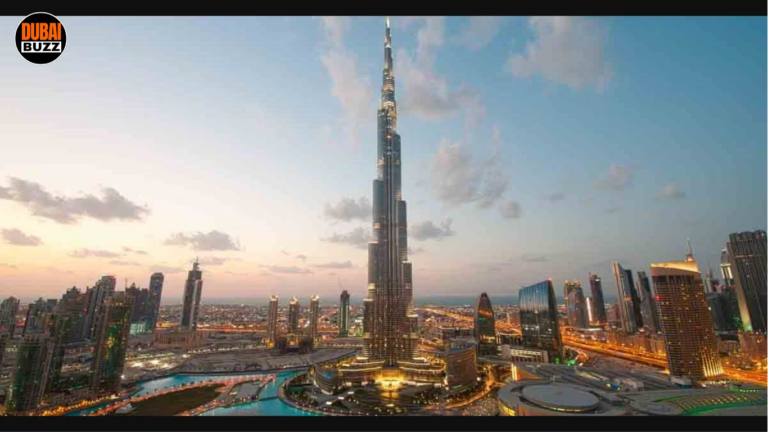
In 2026, the trend of “Grocery Store Tourism” has taken over Dubai. While the Burj Khalifa and the Palm Jumeirah offer a glimpse into the city’s future, the aisles of a neighborhood supermarket or the stalls of a traditional souk offer a real look at its soul.
With 200+ nationalities living in Dubai, a simple grocery trip is a world tour. Here is why your next cultural adventure should start with a shopping trolley.
1. The Supermarket as a Cultural Map
In Dubai, a supermarket isn’t just a place to buy milk; it’s a demographic snapshot of the neighborhood.
- In Jumeirah (Spinneys/Waitrose): You’ll find the “British Expat” influence—think artisanal cheeses, organic produce, and the famous pork counters for non-Muslims.
- In Al Karama & Bur Dubai (Lulu/West Zone): This is the heart of the South Asian community. You’ll find 20 varieties of rice, fresh curry leaves, and towers of Alphonso mangoes in the summer.
- In Deira (Al Maya/Local Grocers): A mix of Filipino, Iranian, and Levantine flavors. Look for fresh Pandesal bread next to jars of Za’atar.
2. The “Big Three” Destinations for the Food Tourist
| Destination | What to Look For | Cultural Insight |
| Lulu Hypermarket (Al Barsha) | The “Spices of the World” section. | Shows how Dubai is the crossroads of the historic spice route. |
| Viva Supermarket | European “off-brand” treasures. | Reflects the city’s recent shift toward affordable, European-style discount shopping. |
| Union Coop (Al Wasl) | Fresh Emirati dates and local honey. | A glimpse into traditional Khaleeji household staples and local production. |
3. The Traditional Souks: The Original Grocery Stores
Before there were hypermarkets, there were the Souks. In 2026, they remain the most authentic way to experience Dubai.
- The Spice Souk (Deira): This isn’t just for tourists. Watch local restaurateurs and grandmothers haggle for the best Iranian Saffron, Omani Frankincense, and dried black limes (Loomi).
- Waterfront Market (Deira): Replacing the old Fish Souk, this high-tech but traditional market is where you see the morning’s catch from the Arabian Gulf. Watching a master fishmonger clean a Hamour is a cultural performance in itself.
4. What to Put in Your Basket (The Cultural “Must-Buys”)
To truly shop like a local in 2026, your trolley should include:
- Chipping Reigman: The “Chips Oman” phenomenon. Try the spicy potato chips that have become a national obsession.
- Camel Milk Chocolate: A modern Emirati luxury.
- Labneh & Za’atar: The breakfast of the Levant, found in every dairy aisle.
- Vimto: Especially during Ramadan, this purple berry cordial is culturally more “Dubai” than any coffee brand.
5. Why It Matters: The “Living Room” of the City
Grocery stores are where the “real” Dubai meets. You’ll see a CEO in a suit standing in line behind a delivery rider, both buying the same Karak tea or fresh bread. It is the only place in the city where every social class and nationality interacts simultaneously.
Conclusion
If you want to understand Dubai, don’t just look at the skyline—look at what the people are eating. Grocery store tourism is the most affordable, authentic, and delicious way to map the city’s multicultural DNA. In 2026, the best “souvenir” isn’t a gold bar; it’s a jar of local honey and a bag of spices from a market that has been trading for a hundred years.
#GroceryStoreTourist #DubaiFoodCulture #LuluHypermarket #SpiceSoukDubai #DubaiHiddenGems #MulticulturalDubai #FoodTourism #VisitDubai #EatLocalDubai
Next Step for You
Would you like me to create a “Neighborhood Market Tour” for you, starting in Deira and ending in Jumeirah, or should I find a list of the 5 “must-try” snacks only found in Dubai supermarkets?