Dubai Real Estate “War Record”: Dh11.9 Billion in Physical Sales in Just 10 Days

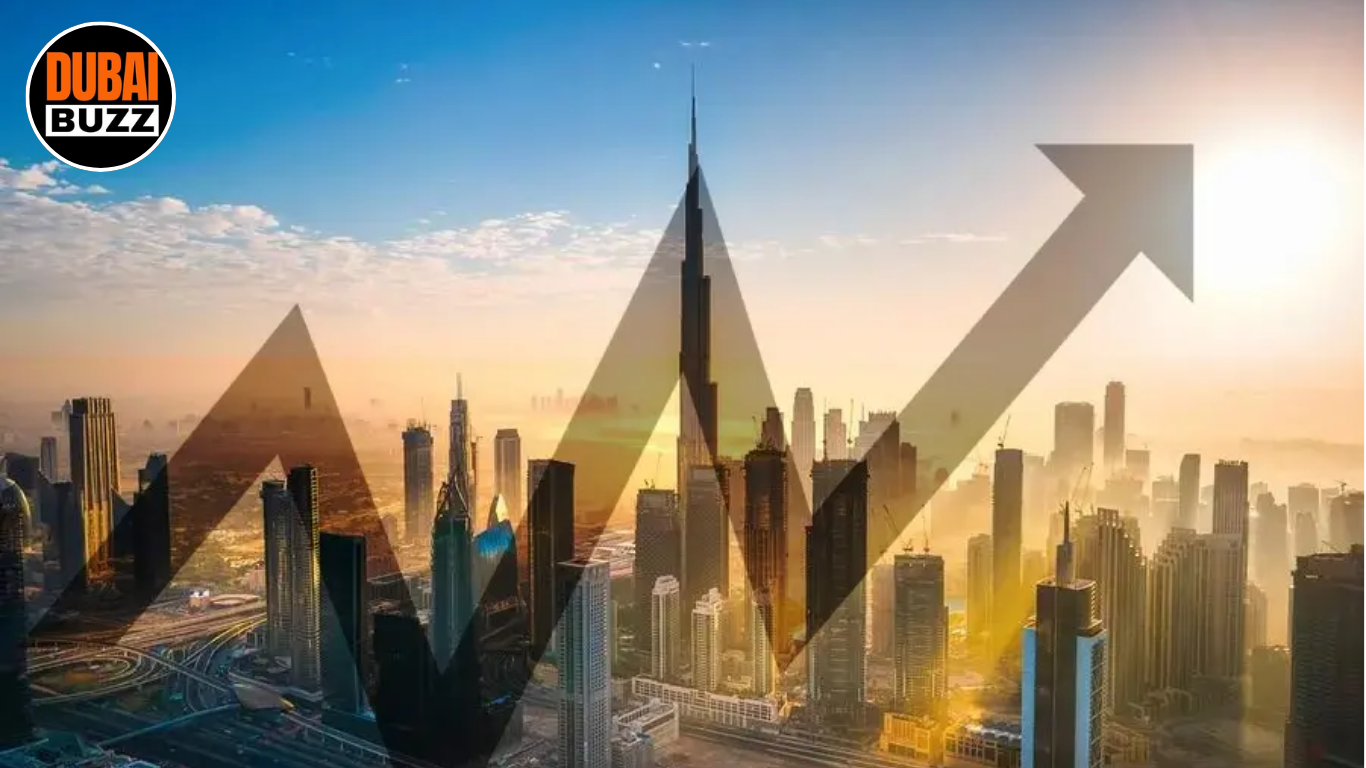
The global financial world is witnessing a startling “Great Divide” in Dubai this week. While digital screens at the Dubai Financial Market (DFM) glow red with a 30% plunge in real estate stocks, the city’s paved streets tell a completely different story.
According to the latest data from the Dubai Land Department (DLD), the physical property market has just set a “War Record,” processing a staggering Dh11.93 billion ($3.24 billion) in actual sales transactions between March 2nd and March 12th. This paradox highlights a massive shift in investor psychology: capital is fleeing the volatility of “paper assets” and sprinting toward the safety of “brick and mortar.”
1. The Great Divide: Stocks vs. Structures
The discrepancy between the stock market and the physical market is a masterclass in risk management.
- The Stock Market Crash: The DFM Real Estate Index has slumped nearly 30% since late February. Investors in liquid stocks are pricing in the risk of prolonged regional tension, leading to a rapid sell-off to preserve liquidity.
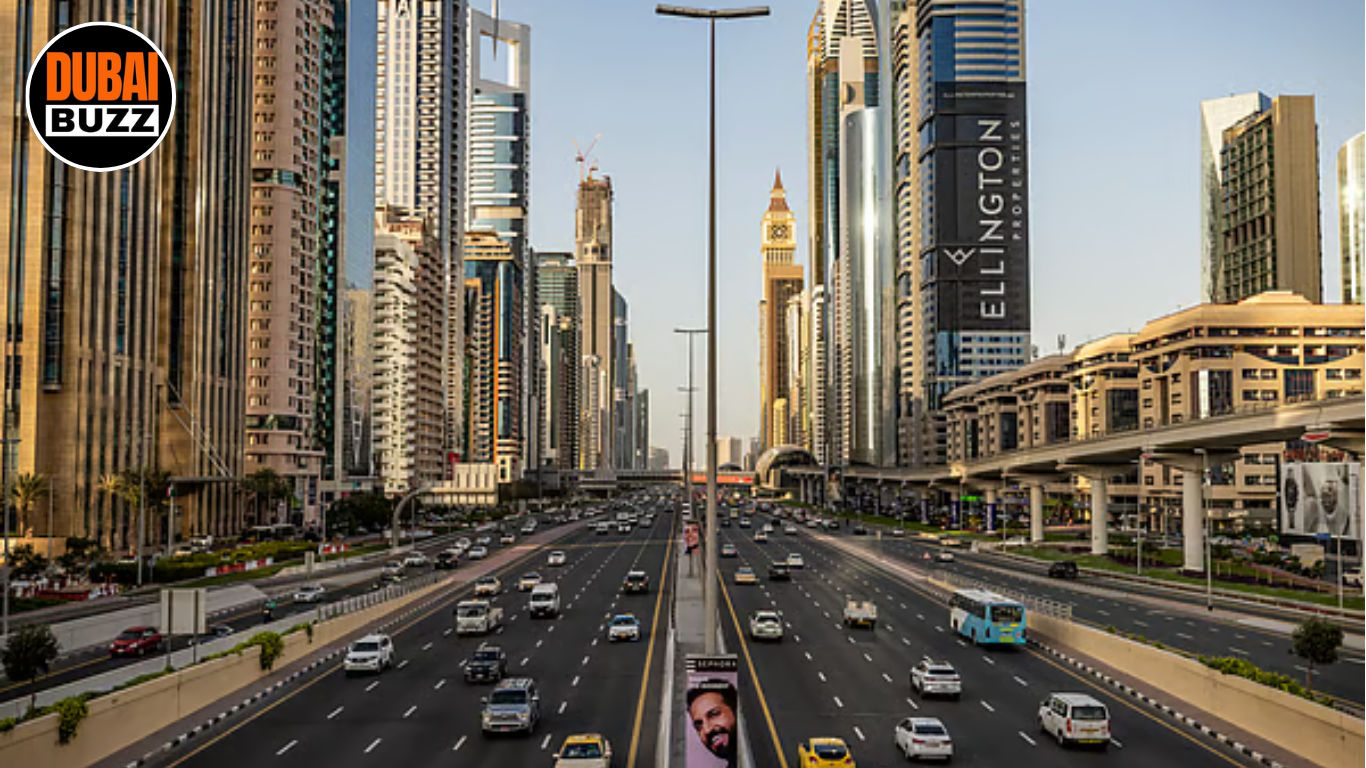
- The Physical Market Surge: Simultaneously, 3,570 property deals were finalized in just ten days. These aren’t speculative clicks; these are signed deeds for villas, apartments, and land plots.
The Verdict: Investors are treating Dubai property as a “Safe Haven” asset—much like gold. While they don’t want to own a share of a developer, they desperately want to own the building itself.
2. Why “Brick and Mortar” is the 2026 Safe Haven
Why is cash pouring into Al Quoz, Dubai Hills, and the Marina while stocks are being dumped? The “Buzz” among institutional investors points to three “Ironclad Fundamentals”:
- High Cash Reserves: Nearly 60% of recent transactions have been cash-based. This means the market is not built on “fragile” bank debt. In a crisis, a cash-rich market is a shock-absorbing market.
- The Yield Hedge: While stocks are volatile, rental yields in Dubai remain steady between 6% and 9%. For an investor, a physical apartment in Business Bay provides a monthly “rent check” that a crashing stock index simply cannot.
- Physical Neutrality: Unlike a stock, which can be frozen or de-listed, a physical villa in Dubai remains a tangible asset in a neutral, well-governed jurisdiction. The successful neutralization of recent threats has actually bolstered trust in the city’s physical infrastructure.
3. By The Numbers: 10 Days of Resilience
| Metric | Stock Market (DFM Index) | Physical Property (DLD Data) |
| Performance | -30% (Crash) | +Dh11.93 Billion (Record) |
| Transaction Count | High Sell-Volume | 3,570 Real Deeds Signed |
| Investor Sentiment | Speculative Panic | Safe-Haven Conviction |
| Primary Driver | Short-term Liquidity | Long-term Wealth Preservation |
4. Where is the Money Moving?
The “Flight to Quality” is concentrating capital in three specific areas:
- Ready-to-Move Villas: Investors are prioritizing “landed” homes that offer immediate residency and utility.
- Off-Plan with Trusted Names: Despite the conflict, Emaar and DAMAC projects continue to see bookings, as buyers trust the developers’ 20-year track record of weathering regional storms.
- Luxury Waterfront: Ultra-high-net-worth (UHNW) buyers are still closing Dh100M+ deals on the Palm Jumeirah, seeing the current “market pause” as a rare entry window before the next inevitable surge.
Conclusion: The Shield and the Soil
History shows that during every regional crisis in the last 20 years (2006, 2020, 2022), capital has consistently redirected into Dubai, not away from it. Today is no different. The Dh11.9 billion record proves that while the stock market might react to headlines, the world’s “smart money” is betting on the soil.
In 2026, the safest place for your wealth isn’t on a digital dashboard—it’s under a Dubai roof.
#DubaiRealEstate #DLDData #MarketResilience #SafeHaven #DubaiEconomy2026 #PropertyInvestment #BrickAndMortar #DubaiNews #ResilientDubai